
Slat, fluted or Shaker panelling: how to choose
Slats, fluting and panelling can all turn a plain wall into the focus of a room, but they look, sound and age differently. Here is how our joiners decide between them.
The three styles at a glance
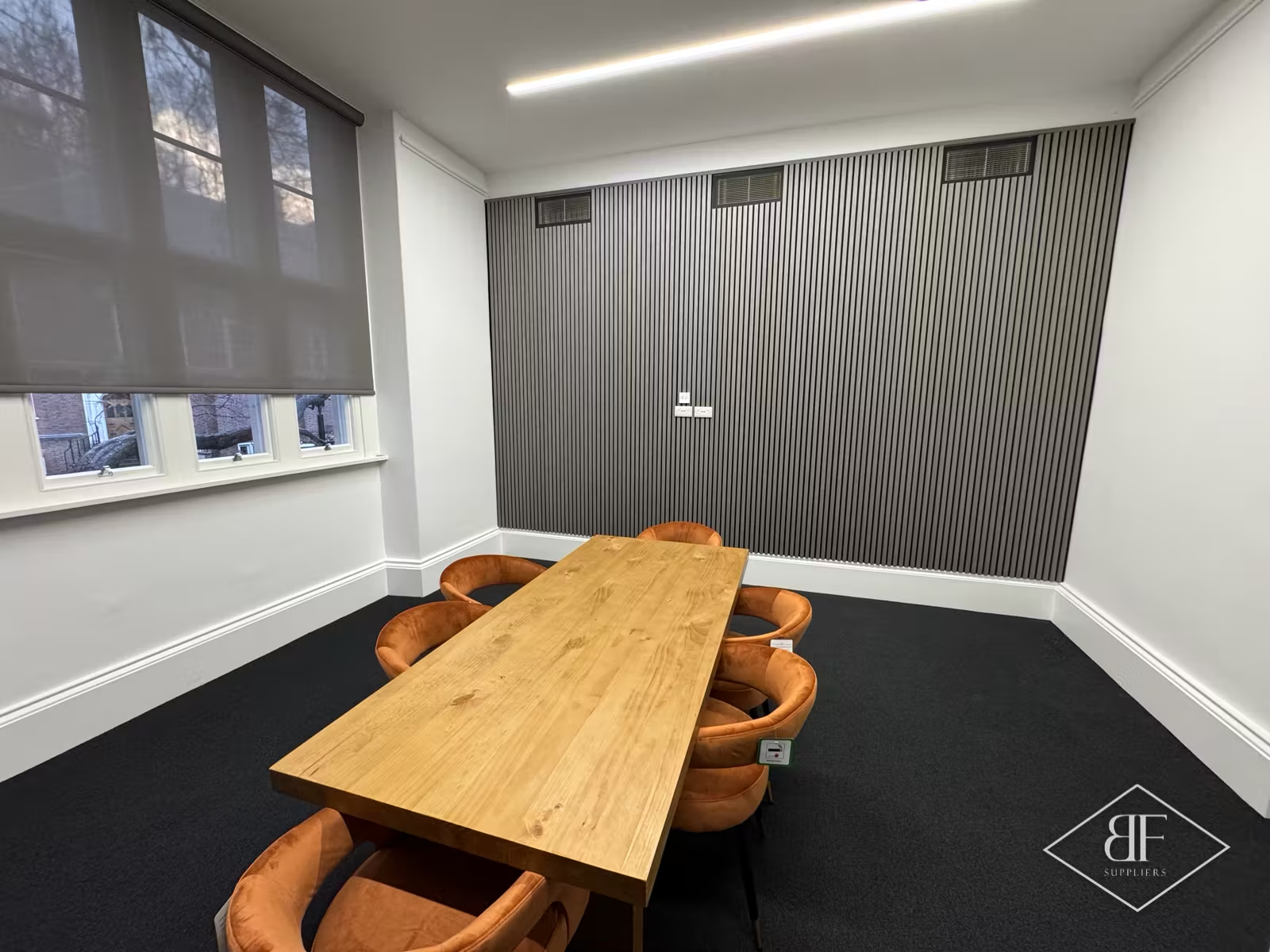
- Slats are straight, evenly spaced timber (or timber-look) battens, usually fixed over a felt backing. The look is warm, linear and architectural. It suits living rooms, bedrooms, offices and receptions.
- Fluted panels have rounded, reeded ribs. They catch the light softly and can follow curves, so they work well on TV walls, islands, bars, alcoves and hallways.
- Shaker panelling is a framed, painted panel with a classic square profile. It adds depth and colour rather than texture, and suits bedrooms, halls and dining rooms.
Think about what the wall has to do
Sound. Slat panels with a felt backing absorb some sound and reduce echo, which is why they are popular in offices and open-plan homes. They are not soundproofing: they make a room sound calmer, but they will not stop noise passing through the wall. Hard fluted panels and painted panelling reflect more sound and mainly change the look.
Cleaning. Slats collect a little dust in the gaps; a soft brush attachment on the vacuum is enough. Painted panelling wipes clean, which helps in halls and children’s rooms.
Heat. Walls near a radiator, stove or electric fire need clearances and suitable materials. Tell us about any heat source and we will plan around it.
Light. Evening light changes the look of every finish. Fluting and slats cast soft shadows under LED strips; flat painted panels reflect light evenly.
Room by room
- Living room or TV wall: slats or fluting around a media wall. Both hide cables well and take LED lighting.
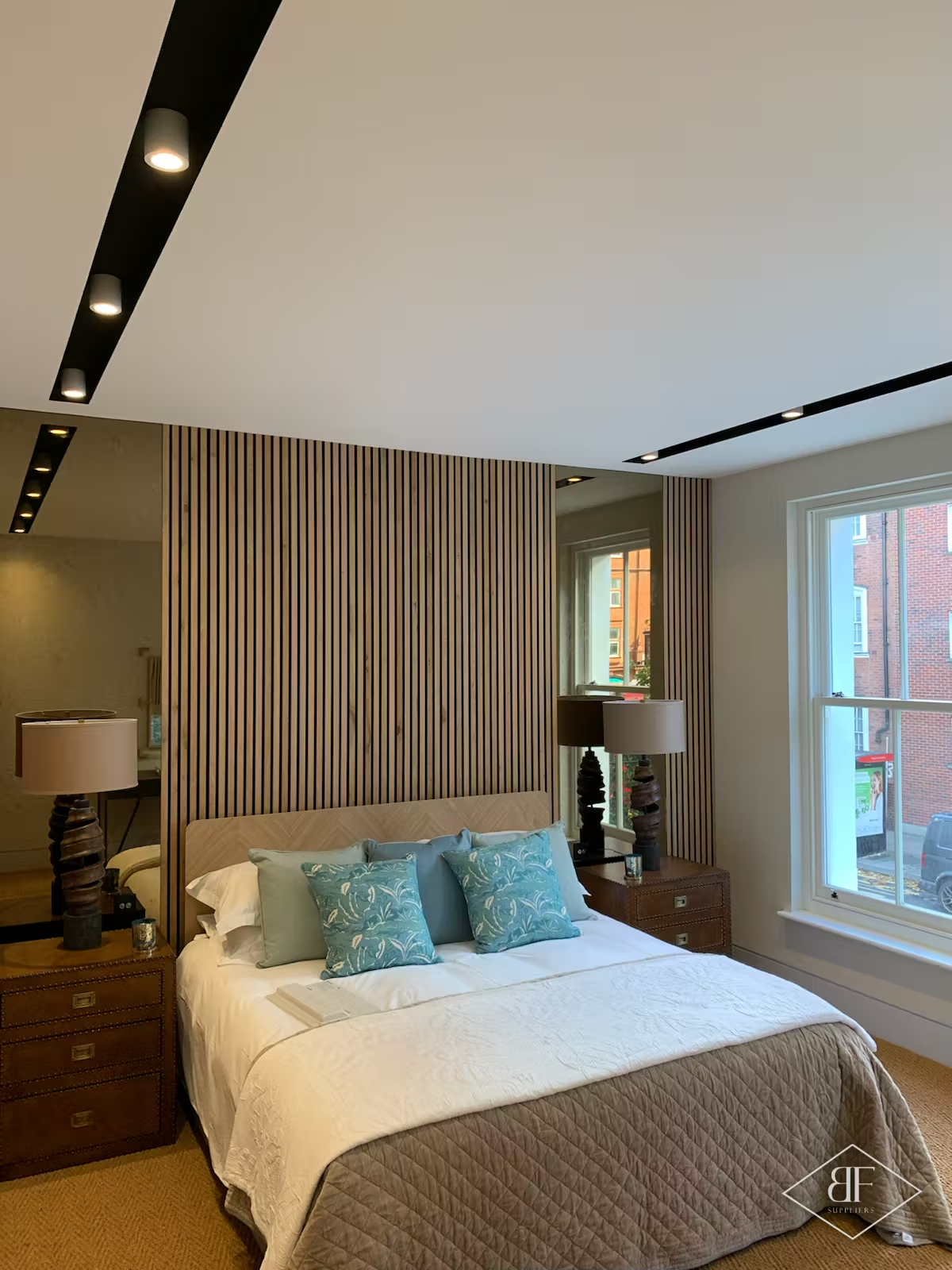
- Bedroom: a full-height slatted headboard wall, or painted panelling in a deep colour for a cosy room.
- Home office: felt-backed slats behind the desk. They look good on video calls and take the edge off echo.
- Hallway: vertical fluting makes a narrow space feel taller and is forgiving of scuffs.
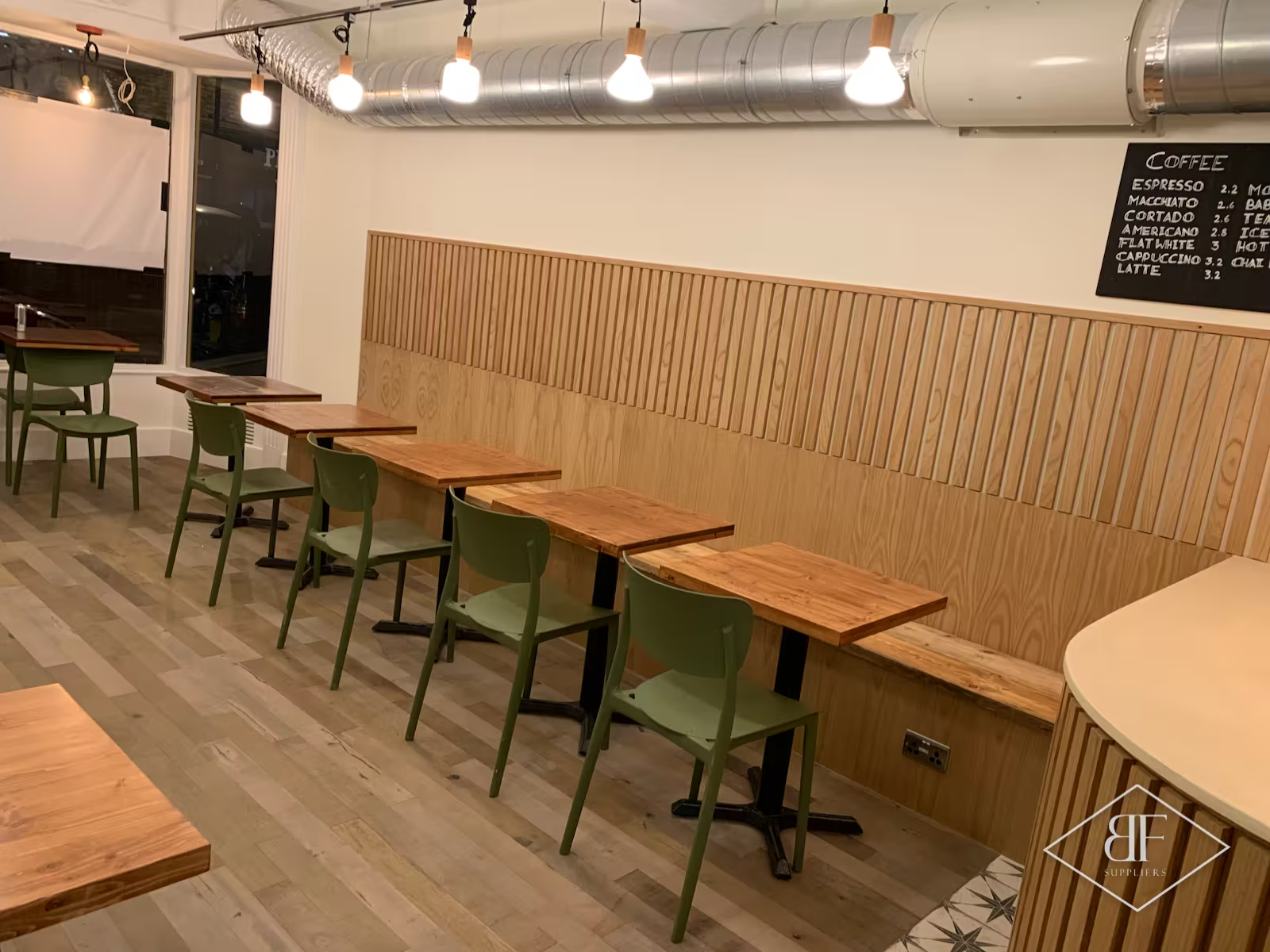
- Reception, café or showroom: slats for warmth and acoustics, with the logo or a shelf set into the wall.
Finish and colour
Natural oak feels calm and Scandinavian, walnut richer and more traditional, and black or charcoal dramatic. Painted panelling lets you match any colour, and “colour drenching” (walls, panelling and ceiling in one shade) is a popular modern look. Our wall preview lets you compare materials on a real room wall.
Three questions that usually decide it
- Do you want the room to sound calmer? If yes, choose felt-backed slats.
- Do you want warm natural wood, or a colour you pick yourself? Wood points to slats or fluting, colour to panelling.
- Is the wall straight or curved? Curves point to flexible fluting.
Not sure? Send us a photo of the wall and tell us the room. We will suggest a style and a design, and give you a clear, itemised quote. Get a quote
Can I mix styles on one wall?
Yes. Slats with a felt shape inset, or fluting either side of a media wall, are common combinations. We plan the layout so the lines meet cleanly.
Do slat walls really reduce echo?
Felt-backed slat panels absorb some sound, so a room with a hard floor and bare walls will sound noticeably calmer. They are not a replacement for soundproofing.
Which style is easiest to keep clean?
Painted Shaker panelling wipes down easily. Slats and fluting need an occasional dust with a soft brush.
Ready for a wall you’ll love?
Send a photo of your wall on WhatsApp, book a visit or ask for a quote — whichever is easiest. We’ll come back with ideas and a clear, itemised quote.