
How to fix wall panels to any wall type
Almost any wall can take panels, but the fixing method depends on what is behind the surface. Here is how to find out what you have, and how each type is usually fixed.
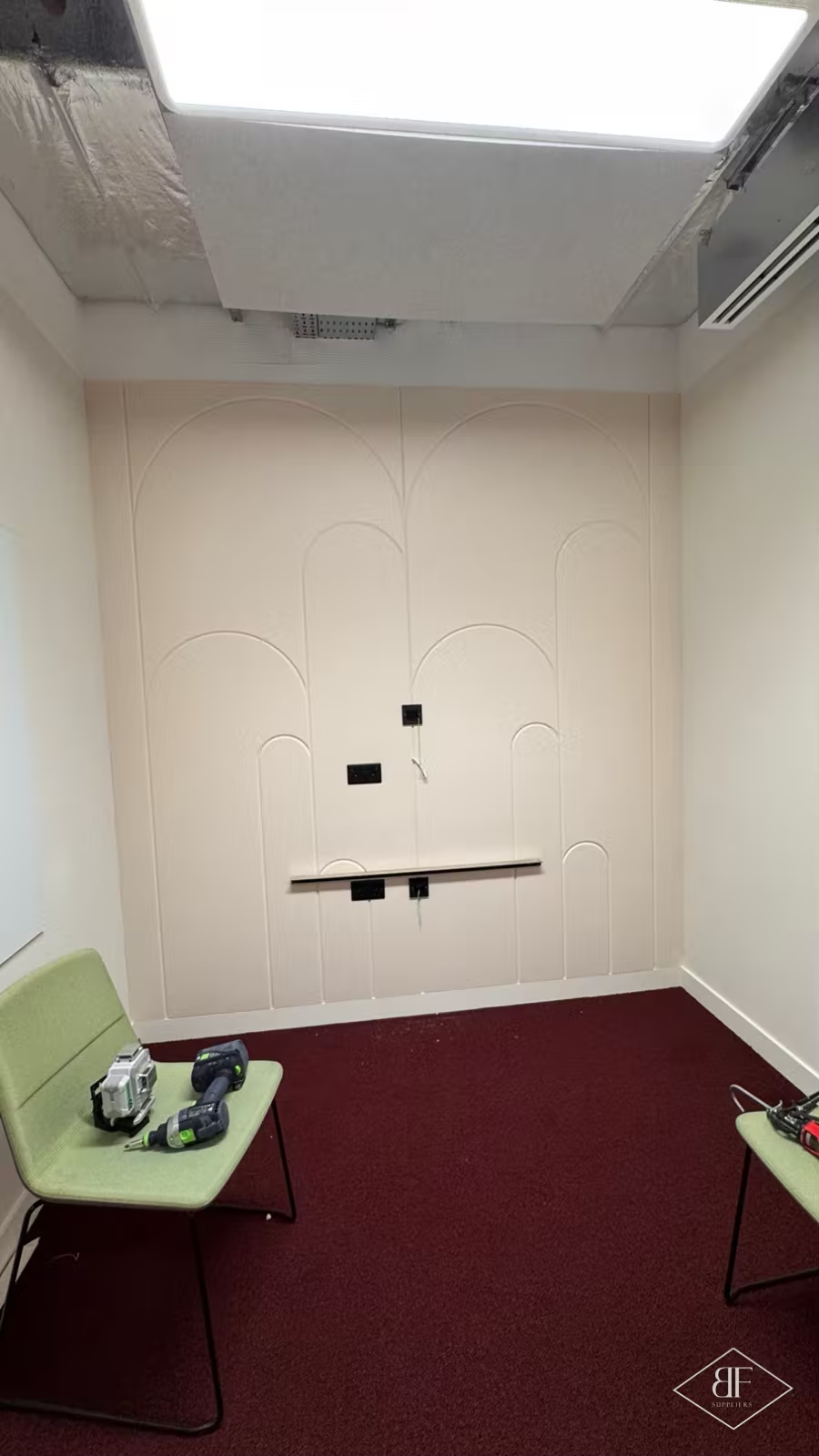
First, find out what your wall is
- Knock on it. A dull, solid sound usually means brick or block. A hollow, drum-like sound means plasterboard on a timber or metal frame, or plasterboard stuck to the wall with dabs of adhesive.
- Look at the edges. Around a socket, window reveal or door frame you can often see the depth and type of the wall.
- Use a detector. A stud, cable and pipe detector shows frames and any hidden services. Check before you drill anything.
Brick or blockwork
Solid walls are the easiest. Battens are fixed to the wall with masonry plugs and screws, then the panels are fixed to the battens, or fixed direct with adhesive and screws if the wall is flat. Plaster over brick is fine as long as it is sound and not crumbling.
Plasterboard on a frame (stud wall)
Find the studs and fix into them. Light panels can use adhesive plus fixings, but anything heavy, such as a TV mount, needs fixing into a stud or into a plywood backing board. Do not rely on the plasterboard alone.
Dot-and-dab plasterboard
Plasterboard stuck to masonry with adhesive dabs sounds hollow, but it is solid behind the dabs. Long screws and plugs go through the board into the masonry behind. Check carefully for voids, and avoid fixing where the board has come loose.
Old lime or crumbly plaster
Old plaster can be brittle and will not hold adhesive. Battens are fixed through the plaster into the structure behind, and the panels are then fixed to the battens. We often do this in period homes.
Uneven walls
Real walls are rarely flat. Battens with packers level the surface, and panels are scribed to ceilings, corners and skirting so the edges look tight, not stuck on.
Damp, kitchens and bathrooms
If a wall is damp, find and fix the cause first. Do not cover it. In kitchens and bathrooms, choose materials suited to moisture and heat, and keep clear of hobs, showers and splashes. Tell us where the wall is and we will advise.
Sockets, switches and radiators
- Sockets and switches need to sit flush with the new face of the wall. Deeper back boxes or extension kits are used, and electrical work should be done by a qualified electrician.
- Keep panels clear of radiators and heaters, following the manufacturer’s distances. Radiator pipes may need extending.
- Mark cable and pipe runs before you start so no one drills into them.
Fitting it yourself?
Our free beginner’s guide covers measuring, tools and fitting step by step. If you would rather leave it to a joiner, send us a photo and we will tell you what we would do.
Can I use adhesive only, with no screws?
Adhesive alone suits light panels on a flat, clean, sound wall. Most installers add screws or pins as well, especially on tall walls or anything heavier.
Do I always need battens?
Not always. Battens are used when the wall is uneven, damp-prone, old or hollow, or when you need a space behind the panel for cables.
Will panels damage my wall?
Fixings leave small holes and adhesive can lift paint or plaster when removed. If you rent or may change your mind, tell us and we will recommend the least damaging method.
Projects you may like
Ready for a wall you’ll love?
Send a photo of your wall on WhatsApp, book a visit or ask for a quote — whichever is easiest. We’ll come back with ideas and a clear, itemised quote.